
How Long Do Dentures Last?
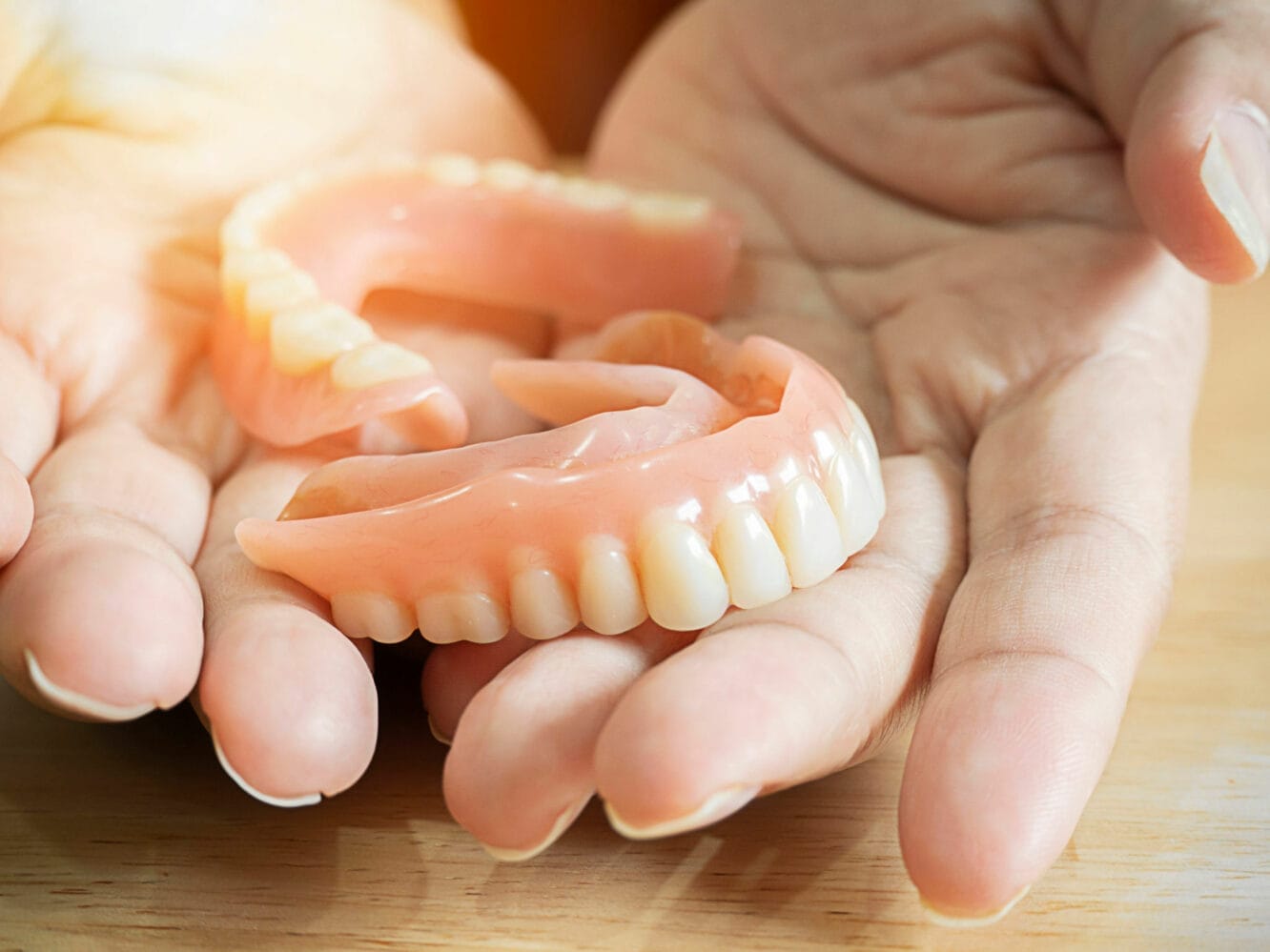
Restoring your smile with full or partial dentures is an investment in reclaiming your ability to eat, speak, and laugh confidently. Though made from durable materials, dentures are not a permanent solution. So the main question becomes “How long do dentures last?”
This is crucial for financial and oral health planning, as understanding the lifecycle helps prevent discomfort and maintain facial structure. The lifespan depends on the appliance’s material, biological changes in your jaw, and daily care. This guide will cover the expected timeline, replacement signs, and how to protect your investment.
Average Lifespan of Dentures
If you are looking for a straightforward number, the general consensus among dental professionals and the American Dental Association is that dentures typically last between 5 and 10 years, with the average sweet spot hovering around the 7-year mark.
This statistic, however, requires context. When we ask, “How long do dentures last?” we aren’t just asking how long the appliance will physically hold together without breaking. We are asking how long it will fit comfortably and function properly.
It is rare for a denture to fracture spontaneously if it hasn’t been dropped. The primary reason for the 5-to-10-year lifespan isn’t usually the failure of the acrylic or metal itself, but rather the failure of the fit.
Your mouth is a dynamic, living environment. When you have missing teeth, the alveolar bone (the ridge of bone that used to hold your teeth) no longer receives stimulation from tooth roots. Over time, this bone naturally resorbs, or shrinks.
As your gum line and jawbone change shape, the rigid denture does not change with them. This creates a mismatch between the prosthetic and your soft tissues. While procedures like “relining” (adding new material to the underside of the denture) can extend the life of the appliance, there comes a point where the wear on the prosthetic teeth and the changes in your jaw require a completely new set to ensure proper oral health and function.
Related Article: 5 Common Denture Problems & How to Fix Them
Factors That Affect Denture Longevity
While the average lifespan is a helpful benchmark, every patient’s experience is unique. Some patients may need a replacement in five years, while others maintain their set for over a decade. The durability of your smile depends on several internal and external variables.
Understanding these factors can help you manage your expectations and take better ownership of your denture care routine.
Quality of Materials Used
The construction of the appliance plays a massive role in its longevity. Dentures made from high-density, cross-linked acrylics or those featuring a cast metal framework generally offer superior resistance to wear and breakage compared to economy dentures made from softer, standard resins.
Bone Resorption Rates
The speed at which your jawbone shrinks varies by individual and genetics. Patients who experience rapid bone loss will find their dentures become loose and ill-fitting much faster than those with stable ridges, significantly shortening the functional lifespan of dentures.
Daily Wear and Tear
Your dietary habits and unconscious behaviors impact the prosthetic teeth. Patients who habitually grind their teeth (bruxism) or consume a diet consisting primarily of hard, crunchy, or sticky foods will wear down the chewing surfaces of the denture significantly faster than average.
Oral Hygiene Habits
Cleanliness is critical for durability. Failing to clean the appliance daily allows bacterial plaque and tartar to harden on the surface, which can chemically degrade the acrylic material over time and compromise the health of the underlying gums.
Handling and Storage
Physical accidents are a leading cause of premature replacement. Accidental drops can cause microscopic fractures that weaken the structure over time, while soaking them in hot water can warp the base, permanently ruining the fit and requiring a new set.
Signs It’s Time to Replace Your Dentures
Many patients try to “make do” with old dentures to save money or avoid a dental appointment. Unfortunately, wearing an appliance past its prime can lead to severe consequences, including accelerated bone loss, nutritional deficiencies due to the inability to chew, and chronic pain. You generally shouldn’t wait for the denture to snap in half before seeking a replacement. Your mouth will usually give you warning signals long before catastrophic failure occurs.
If you are experiencing any of the following issues, it is highly likely that your current set has reached the end of its road.
Persistent Sore Spots
If you constantly develop irritation, lesions, or sore spots on your gums that do not heal after a simple adjustment, it indicates the fit is fundamentally flawed due to changes in your jaw anatomy.
Frequent Slippage
Your dentures should rely on suction or clasps to stay put; when they begin to drop when you laugh, slip when you speak, or require excessive amounts of adhesive to stay in place, the appliance no longer conforms to your mouth.
Visible Wear on Teeth
Take a close look at the appliance in good lighting; if the prosthetic teeth appear flat, are significantly shorter than they used to be, or have lost their natural texture, your ability to chew food effectively is being compromised.
Discoloration and Odor
If you notice deep stains, a generally yellowed appearance, or a persistent bad smell coming from the denture that scrubbing won’t remove, the material has likely become porous and absorbed bacteria that cannot be cleaned away.
Clicking or Whistling Noises
As the fit loosens, the dentures may move slightly during speech. This movement can cause audible clicking sounds or change the airflow in your mouth, resulting in a lisp or a whistling sound when you talk.

How to Make Dentures Last Longer
While you cannot stop the natural physiological changes of your jawbone, you have total control over how you treat your prosthetics. Proper maintenance is the difference
between a denture that looks beautiful for a decade and one that looks dingy and fits poorly after three years. Treating your dentures with the same care, if not more, than you would natural teeth is essential.
Adopting a strict regimen of proper care will protect the acrylic from warping, staining, and abrasive damage. Here is how you can maximize the value of your smile:
Master the Daily Clean
You must brush your dentures at least once a day to remove food particles and plaque. However, never use regular toothpaste; it is too abrasive and will create microscopic scratches where bacteria can hide. Instead, use a soft-bristled denture brush and a non-abrasive cleaner or mild hand soap.
Keep Them Moist
Dentures are designed to function in a wet environment. When they dry out, the acrylic can warp and lose its shape, destroying the fit. Whenever you are not wearing them, they must be submerged in water or a mild denture-soaking solution.
Protect Against Drops
A single drop onto a porcelain sink or tile floor can shatter a denture. When cleaning your appliance, always stand over a sink filled with water or place a folded towel on the counter to act as a safety cushion.
Give Your Gums a Break
It is vital to remove your full dentures or partials while you sleep. This relieves pressure on your gums and bone ridges, allowing the tissues to oxygenate and recover, which helps preserve your jawbone and slows down resorption.
Maintain Professional Checkups
Even if you have no teeth, you still need to see the dentist annually. These visits allow us to check for oral cancer, assess the health of your soft tissues, and professionally clean the dentures to remove hardened tartar that home brushing cannot shift.

Talk to a Denture Dentist in Ohio
Your smile is the first thing people notice about you, and your ability to eat comfortably is central to your overall health. If you are unsure if your current appliance is still serving you well, or if you have questions about the lifespan of dentures, don’t guess—let us help.
Whether you need a simple reline to improve comfort, a repair for a chipped tooth, or are ready to explore a brand-new set of custom-crafted dentures, the dental office of Dr. Kevin Huelsman, DDS, is here to provide honest, professional guidance. We understand that every patient in Ohio has unique needs, and we are committed to finding the solution that fits your mouth, your lifestyle, and your budget.
Don’t settle for slipping, clicking, or discomfort. Contact our office today to schedule your consultation and take the first step toward a secure, confident smile that lasts.